
TECHNICAL SIDE
Algorithm blind spot
Up to 50% of Purchase events are lost
Up to 30% of customers are not identified.
AddToCart / Purchase get mixed up.
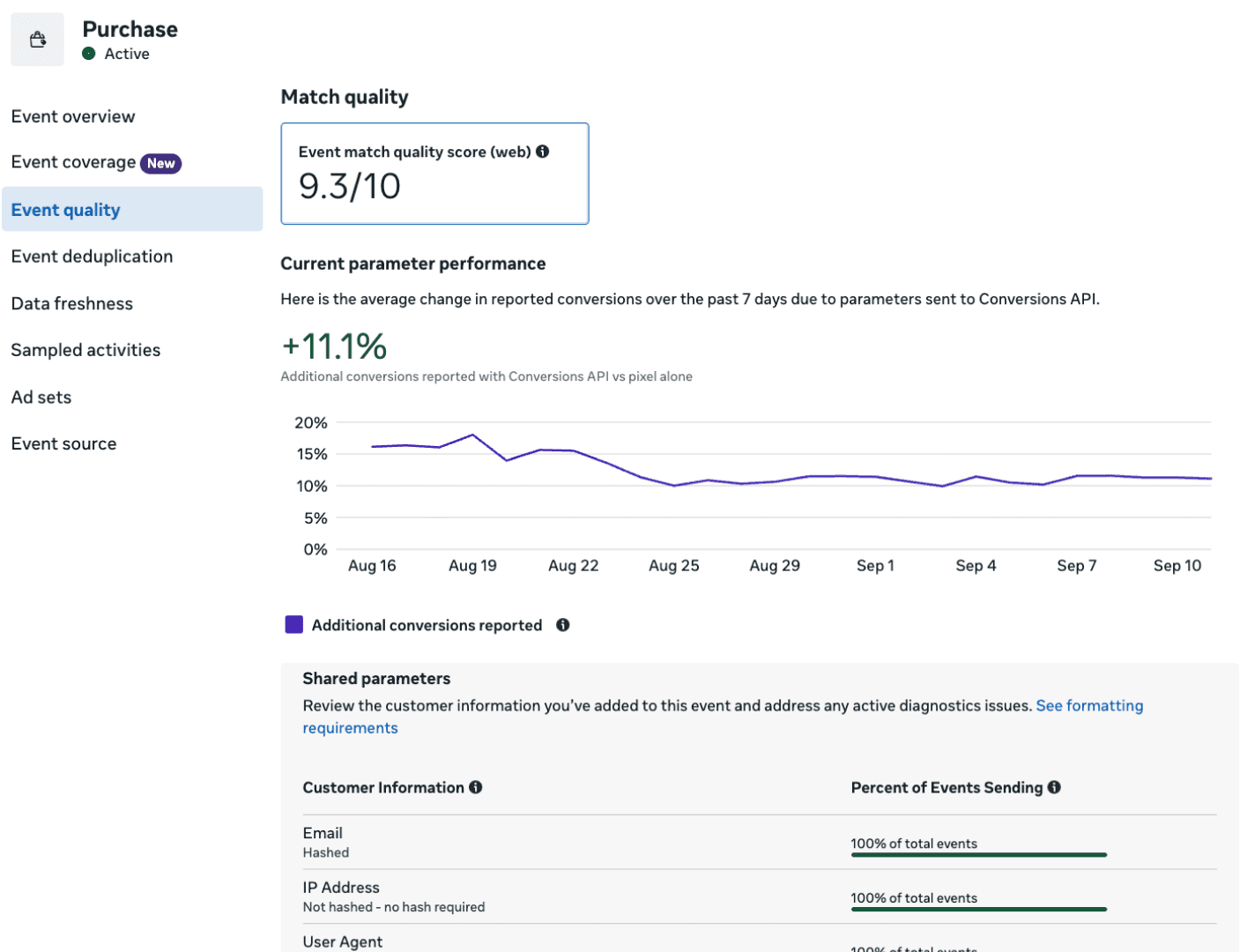
Scaling is built on data, not creatives. We set up tracking (GTM/CAPI/GA4), clean noisy signals, and return full control over optimization.
Clients' monthly revenue
Average client ROAS
Maximum ROAS
Google and Meta often miss real purchases and optimize on incorrect events. As a result, budget is spent on clicks instead of sales, ROAS drops, and scaling stalls.
Up to 30% of customers are not identified.
AddToCart / Purchase get mixed up.
Up to 30% of customers are not identified, so platforms optimize on fragmented signals.
When event signals are mixed, Google and Meta optimize for cheap actions instead of real sales.
When Meta can't see what exactly is being purchased, it optimizes on wrong signals. Irrelevant products consume budget, while top products end up in a blind zone and may not be shown at all.
BEFORE:ROAS 2.86 | ~200 PURCHASES/MONTH
after tracking recovery ⤓after tracking recovery ⤓
ROAS 0.0
0+ purchases/month
X4 PROFITROAS 0.0
0+ purchases/month
X4 PROFITWe don't promise miracles in three days. Our goal is to fix the foundation, build reliable data collection, and optimize accounts systematically. Ads launch immediately, but during the first week we make only minimal changes until signals are clean. In the first 30 days, you should already see measurable growth.
Full path: ~47 days
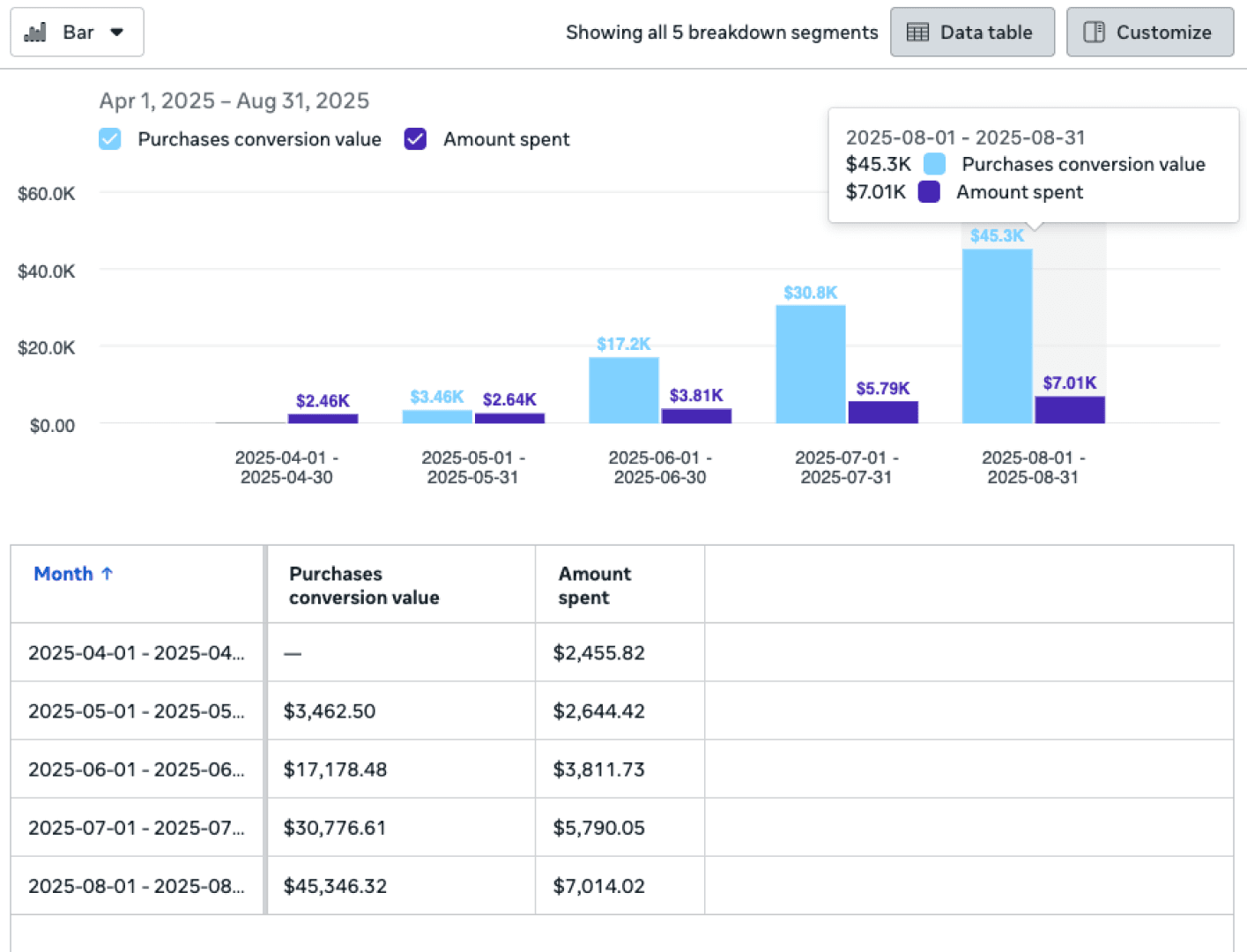
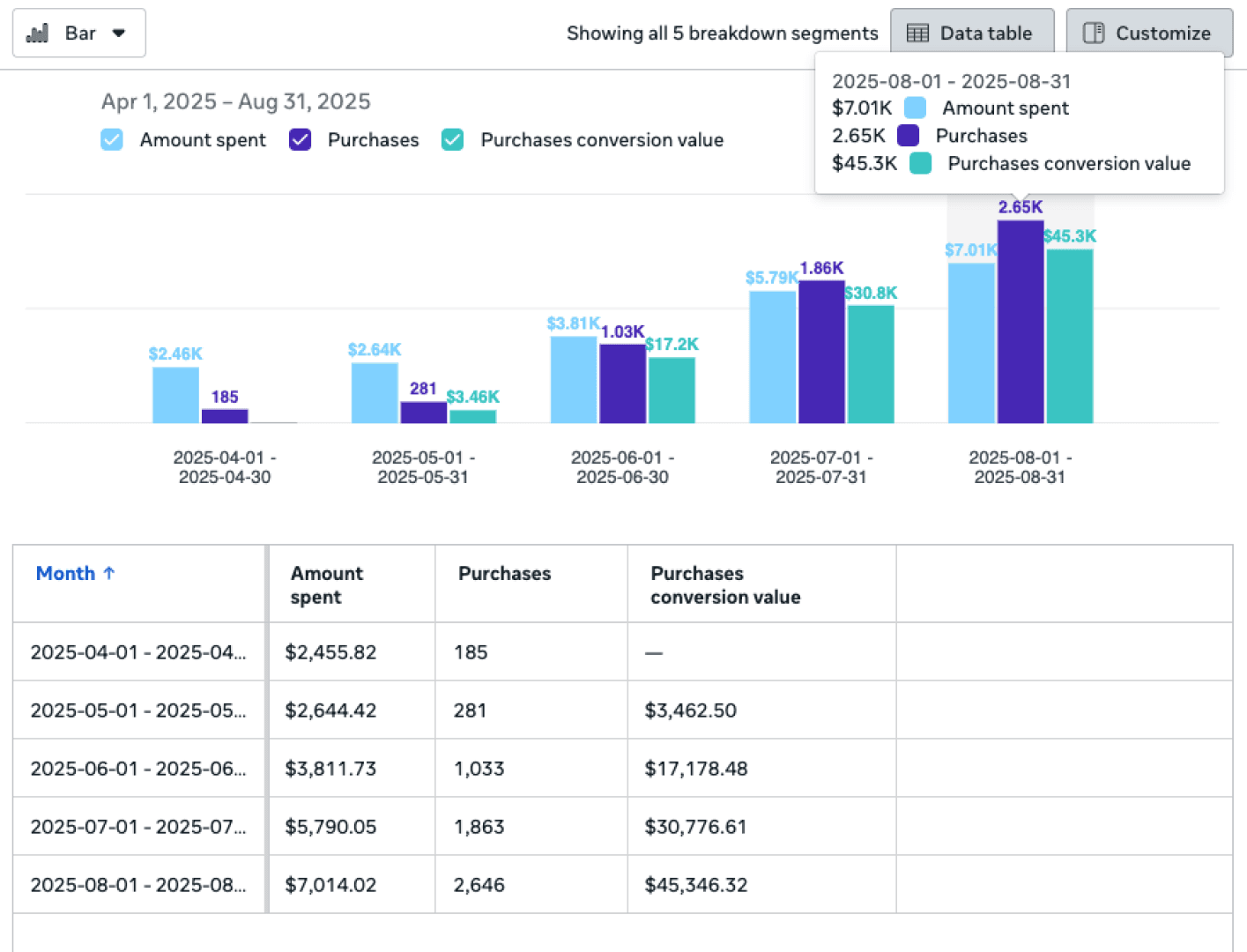
The client spent $5k monthly in Meta, but the system could not see purchase value. Events were duplicated, value was missing, and optimization was blind. We restored tracking, implemented DataLayer (via GTM), and connected Conversions API. Campaigns became transparent and manageable, enabling predictable scaling instead of guesswork.
The client spent $5k/month in Meta, but the platform couldn't see purchase value: events duplicated, value was not sent, and optimization worked blindly.
For the business, this meant:
it was impossible to calculate ROI correctly, separate profitable products from unprofitable ones, and scale safely; ads felt like a lottery.
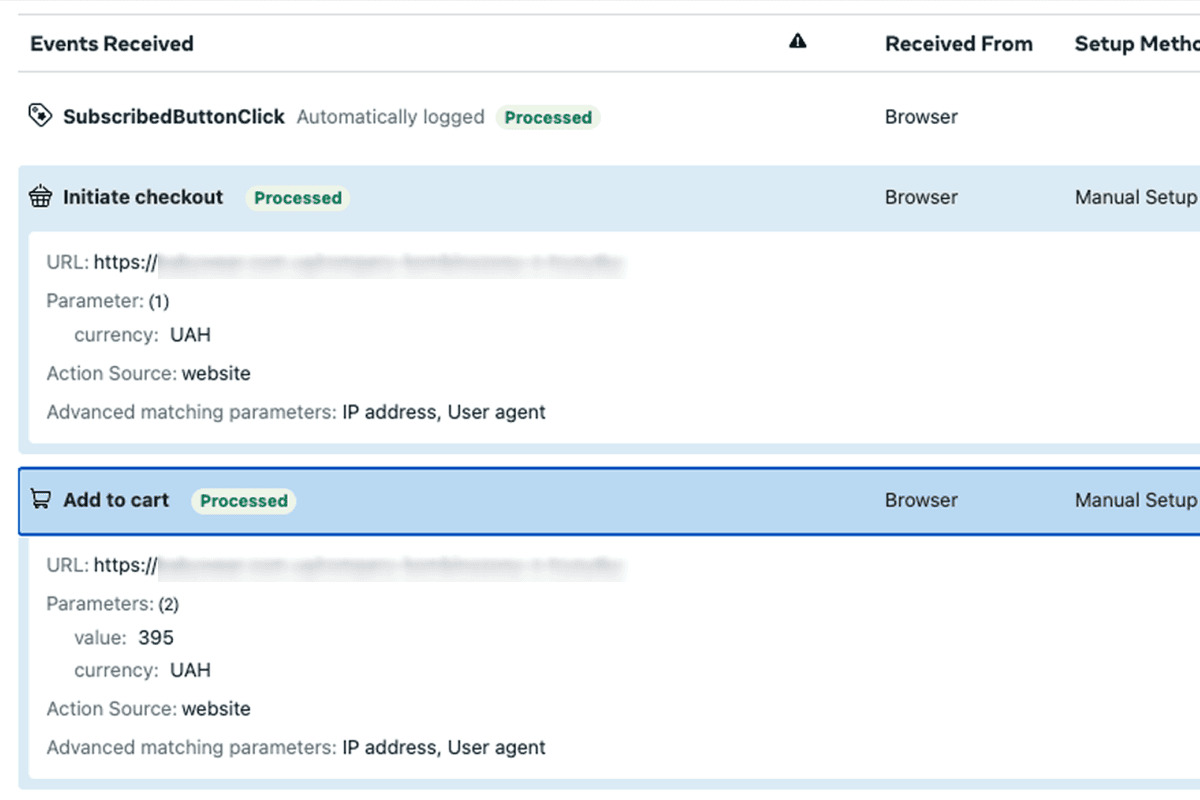
The client spent $5k/month in Meta, but the platform couldn't see purchase value: events duplicated, value was not sent, and optimization worked blindly.
For the business, this meant:
it was impossible to calculate ROI correctly, separate profitable products from unprofitable ones, and scale safely; ads felt like a lottery.
After the case above, you've already seen the path from unstable tracking to predictable ROAS. Share your details and we'll assess weak points in your data, show growth potential, and suggest practical next steps for your business.
Response time ~2 hoursReal outcomes after implementing tracking and optimizing signals.

Oleksandr K.
CEO, fashion eCom
“We brought transparency back to numbers. In 6 weeks, ROAS grew from 2.8 to 6.4. For the first time, I feel we can scale without chaos.”

Maryna P.
CMO, kids goods
“Finally we see the real value of every purchase. CPA dropped by 32%, and the team explained technical details in plain language. It gave us confidence.”

Volodymyr L.
Co-Founder, home&living
“The pixel started seeing all key events, from clicks to revenue. ROAS grew from 2 to 4 in the first month. Ads now feel like an investment, not a lottery.”
answers to the key questions— answers to the key questions
So it's immediately clear how we work and what to expect. If you still have doubts, message us on Telegram.